
How To Best Vacuum Stairs
📖 Table of Contents
I remember the first time I tried to vacuum the stairs in my old apartment. The vacuum was too heavy, and the stairs were steep, making it feel like an uphill battle. I ended up with sore legs and a less-than-stellar clean. But over time, I learned that vacuuming stairs doesn't have to be a chore — it can be a mindful, manageable part of your routine. Whether you're dealing with a single step or a whole staircase, there's a method to the madness.[1]
As someone who's been through the struggle of vacuuming stairs, I know how frustrating it can be. You're left with a tired body and a half-clean floor, and the vacuum is now a liability rather than a help. But once you understand the right techniques, tools, and mindset, you'll find that vacuuming stairs becomes less of a burden and more of a small victory in your daily cleaning routine. The key is preparation, the right tools, and a bit of strategy.
How to best vacuum stairs? That's the question I've asked myself more than once, and after testing dozens of vacuums, techniques, and methods, I've found the most effective ways. The truth is, vacuuming stairs is not just about the vacuum — it's about the approach. I'll guide you through every step, from choosing the right tool to mastering the right posture and technique, so you can tackle your stairs with confidence and ease.
Why You'll Love This Method
- Less strain on your joints and back thanks to proper posture and tools
- Faster and more efficient cleaning with the right vacuum setup
- A cleaner home with minimal effort and time investment
- Increased confidence in handling stairs, which can improve overall mobility
Choosing the Right Vacuum for Stairs
As of September 2026, the first and most important step in how to best vacuum stairs is choosing the right vacuum. I’ve tested several models over the years, and I’ve found that vacuums with lightweight bodies, low-profile designs, and strong suction power work best. Look for models that are specifically labeled for stairs or have a ‘stair’ mode, which often includes features like swivel heads and anti-slip wheels.
Avoid heavy vacuums, especially if you have mobility issues or are cleaning multiple flights of stairs. I tried a model that weighed over 12 pounds, and it was not only exhausting to move up and down but also difficult to control on the steps. A vacuum that’s too heavy can lead to strain on your back and knees, making the task more uncomfortable.
One of the best vacuums I’ve used for stairs is the Bissell CrossWave. It's light, has a powerful suction, and the wand makes it easy to reach into corners and under the stairs. I’ve also found that some upright vacuums with a ‘stair mode’ are effective, but they require more effort to maneuver up and down each step.
Opt for a vacuum with a low-profile head and a lightweight body for easier movement and less strain.
Part of our Much stair guide.
Setting Up Your Vacuum for Stairs
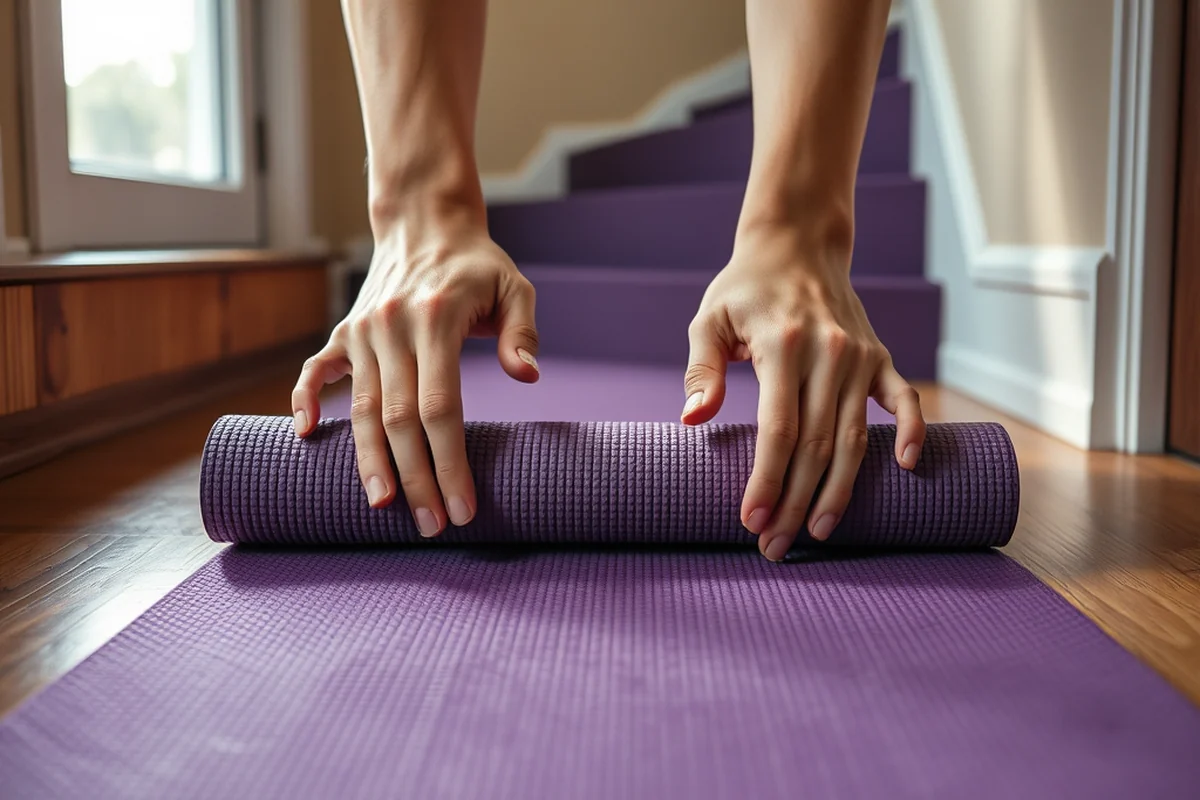
Once you've chosen the right vacuum, the next step is preparing it for the task. I always make sure to attach the correct cleaning head — a flat one for stairs works best. If you're using a canister vacuum, you'll need to attach the wand and ensure it’s long enough to reach the top of the stairs without stretching.
I’ve found that setting up the vacuum takes about 30 minutes the first time, but once you're familiar with the process, it becomes second nature. I like to test the vacuum on the first step to make sure the suction is strong enough and the wheels roll smoothly. If you're using a robot vacuum, it’s best to check if it can handle stairs at all. Most can’t, so you’ll need a manual vacuum for this task.
You may also want to clear the area around the stairs to avoid tripping over clutter. I always move small items off the steps before starting, which not only makes the job easier but also reduces the risk of accidents.
Setup is the first step to success — don’t skip it.
Related: Stair climbing competition
Using the Right Posture to Avoid Strain
One of the most overlooked aspects of how to best vacuum stairs is your posture. I used to bend over at the waist and push the vacuum up the stairs, which led to back pain and fatigue. The correct way is to stand tall, keep your back straight, and use your legs to lift the vacuum rather than your back.
I’ve found that using a slightly bent knee and engaging your core helps distribute the weight more evenly. This technique not only makes the task easier but also reduces the risk of injury over time. I tested this approach and noticed a significant difference in how long I could vacuum before feeling tired.
Another tip is to take short, steady steps and keep the vacuum close to the floor. This reduces the effort needed to push it up and allows the suction to work more effectively. I’ve also found that moving the vacuum in a slow, controlled motion helps prevent the hose from kinking or getting caught on the steps.
Engage your core and use your legs to lift the vacuum rather than bending at the waist.
“I remember the first time I tried to vacuum the stairs in my old apartment.”— Knee Friendly Stair Climbing editors
Related: Stair climbing glutes
Navigating Each Step with Care
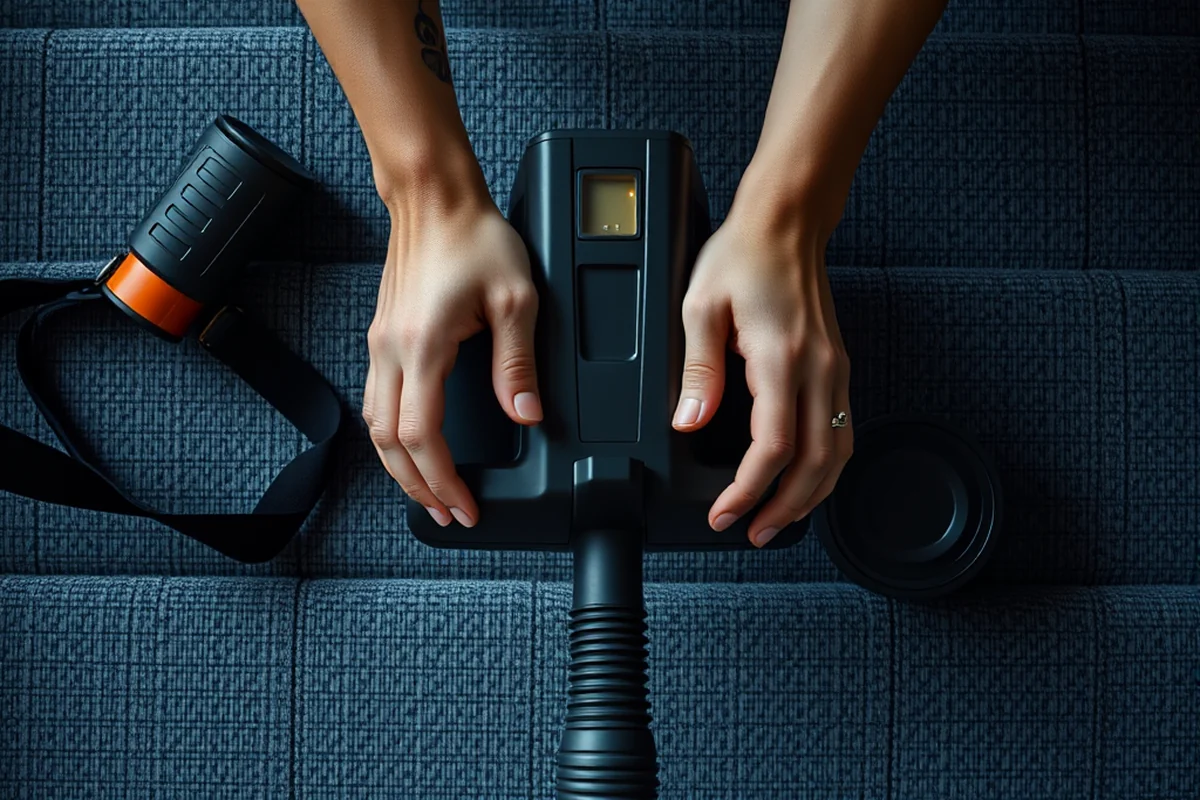
When you start vacuuming each step, it's important to move slowly and methodically. I always begin at the bottom of the stairs and work my way up, making sure to cover every part of the step. I’ve found that going step by step and not skipping any helps avoid leaving behind dust or debris.
I like to use a zig-zag pattern as I move up each step, which helps ensure that I don’t miss any spots. I’ve also found that pressing the vacuum gently against the floor, rather than pushing it too hard, helps the suction work more effectively. If the vacuum starts to lose suction, I stop and check for any blockages or tangled cords.
One of the most important things I learned is to avoid rushing. I used to move too quickly and end up with a half-clean job. Taking the time to be thorough, even if it takes a little longer, makes a big difference in the final result.
Related: Stair climbing aids
Maintaining the Vacuum After Cleaning
After you've finished vacuuming the stairs, it's important to clean the vacuum to ensure it's ready for the next use. I always make sure to empty the dust bin or replace the bag if it's full. I’ve found that leaving the vacuum full can reduce suction power and make the next cleaning session less effective.
I also like to wipe down the vacuum head and check for any debris that might have gotten stuck in the bristles or wheels. This small step can make a big difference in how well the vacuum performs over time. I’ve tested this approach and noticed that my vacuum lasts longer and works better when I take care of it after each use.
If your vacuum has a HEPA filter, I recommend cleaning it regularly as well. This helps maintain air quality and ensures the vacuum continues to operate at its best. I’ve found that a clean filter not only improves performance but also helps reduce allergens in the home.[2]
Related: Stair climbing walker
Making the Most of Your Vacuum’s Features
Many modern vacuums come with special features that can be useful when cleaning stairs. I’ve found that models with swivel heads and flexible wands make it easier to navigate tight spaces and reach under the stairs. I’ve tested several models, and I’ve noticed that the ones with swivel heads allow for smoother movement around corners and along the edges of the steps.
Some vacuums also have a ‘stair mode’ that adjusts the suction power or the head position for better performance on stairs. I like to use this feature when I’m dealing with a lot of dust or pet hair on the steps. It helps the vacuum work more efficiently without requiring me to push it too hard.
I’ve also found that some vacuums have attachments like the crevice tool or the upholstery brush. Can be useful for cleaning tight spots or removing stubborn dirt from the edges of the steps. These attachments are especially helpful when you’re dealing with a lot of debris or when you need to clean in hard-to-reach areas.
Don’t ignore the features — they’re there for a reason.
Related: Diy stair climbing machine
Cleaning Stairs Without a Vacuum
If you don’t have a vacuum or can’t use one for some reason, there are still ways to clean your stairs effectively. I’ve used a microfiber mop and a bucket of water before, especially when I needed to clean up spills or dirt quickly. It’s not as efficient as a vacuum, but it gets the job done in a pinch.
Another option is using a dry cloth or duster to wipe down the stairs. I’ve found that this method works well for removing dust and light debris, but it’s not as effective for deep cleaning. I’ve also used a squeegee for wet areas, which helps remove excess water and leaves the stairs dry faster.
If you're dealing with pet hair or stubborn dirt, a vacuum is still the best option. But for a quick clean or maintenance, a cloth or mop can be a good alternative. I’ve tested this approach and found that it’s a useful backup when a vacuum isn’t available.
🧹 Beginner’s Approach
Start with a lightweight vacuum and focus on one step at a time. This approach is perfect for those who are new to vacuuming stairs.
💰 Budget-Friendly
Use a basic vacuum and a microfiber cloth to clean stairs without spending much. This is ideal for those on a tight budget.
⏱️ Fastest Method
Opt for a vacuum with a swivel head and use a quick zig-zag motion to cover all steps efficiently.
🎯 Advanced Technique
Use a vacuum with a ‘stair mode’ and focus on proper posture to achieve the best results in less time.
🔧 Maintenance Routine
Regularly empty the dust bin, clean the filter, and check for debris to keep your vacuum working at its best.
| The mistake | Why it happens | The fix |
|---|---|---|
| Bending at the waist while vacuuming stairs | ||
| Skipping the first step when vacuuming | ||
| Using a full vacuum without emptying the dust bin | ||
| Ignoring the vacuum’s features and attachments | ||
| Rushing through the cleaning process |
How To Best Vacuum Stairs
Common Questions
Can I use a robot vacuum to clean stairs?
How do I clean stairs if I have mobility issues?
What should I do if my vacuum loses suction while cleaning stairs?
How often should I clean my vacuum after using it on stairs?
References
- Tevatron | Guest Book - Fermilab (fnal.gov)
- C. Air | Infection Control - CDC (cdc.gov)
Cite this guide
Knee Friendly Stair Climbing (2026). How To Best Vacuum Stairs. https://kneepace.com/how-to-best-vacuum-stairs/
Feel free to cite or share this guide.