
Boy Climbing Stairs Drawing Easy

📖 Table of Contents
- Why Drawing a Boy Climbing Stairs Is a Powerful Exercise
- How to Capture the Flow of Movement in Your Drawing
- Breaking Down the Key Steps: A Simple, Repeatable Process
- The Benefits of Observing and Replicating Human Motion in Art
- How to Make This Exercise More Accessible for Kids and Beginners
- How to Improve Your Drawing Skills Through Repeated Practice
- How to Create a Realistic Sense of Depth and Perspective in Your Drawing
- Make It Your Way
- Frequently Asked Questions
I remember the first time my son, who was just six at the time, tried to draw a picture of himself climbing the stairs. He sat for hours, determined to capture every detail — the curve of his arms, the angle of his knees, the way the light filtered through the window. It wasn’t perfect, but it was full of life. That moment stuck with me because it showed me how deeply movement and creativity are connected in a child’s world. The idea of a ‘boy climbing stairs drawing easy’ isn’t just about art — it’s about learning to see the world through a child’s eyes. How that perspective can inspire movement, imagination, and growth.
The act of drawing a boy climbing stairs is more than just a simple exercise in perspective — it’s a doorway into understanding human motion, posture, and balance. When I first tried it myself, I realized how much I had taken for granted about the way our bodies move, especially when we’re in motion. It was humbling, but also incredibly revealing. I had to slow down, observe every joint, every shift in weight, and every subtle change in muscle engagement. That’s when I understood that even something as basic as ‘a boy climbing stairs drawing easy’ can be a powerful tool for learning about the human body and how to move with grace.[1]
Over time, I’ve come to see the value in making this kind of drawing accessible — not just for children, but for anyone who wants to explore movement through art. Whether you’re a beginner or an experienced artist, breaking down the process into simple, step-by-step techniques can make all the difference. The goal isn’t perfection, but clarity: to understand how the body moves in space, and how that can be translated into a drawing that feels alive and authentic. That’s what this article is about — learning how to make the ‘boy climbing stairs drawing easy’ a meaningful experience, both creatively and physically.
Why You'll Love This ...
- It helps you understand basic human movement and posture.
- It’s a great tool for visual learning and creativity.
- It’s simple enough for kids and adults alike to try.
- It can improve your ability to observe and replicate real-life motion.
Why Drawing a Boy Climbing Stairs Is a Powerful Exercise
As of November 2026, Drawing a boy climbing stairs is more than just a visual exercise — it's a way to learn about movement, balance, and posture. When I first tried it, I realized how much I had overlooked about the way we shift our weight as we climb. It was eye-opening, but also a bit challenging. I had to slow down and focus on every step, every angle, and every subtle shift in position.[2]
The key to making this drawing 'easy' is to break it down into simple, manageable parts. Start with the basic shapes — the head, torso, legs, and arms — and then layer in the movement. This approach makes the process less overwhelming and more accessible, even for someone with no formal art training.
As you work through the drawing, you’ll begin to notice how the body changes as it moves. Your eyes will naturally pick up on details like the slight bend in the knees, the way the arms swing as the boy ascends. The shift in the center of gravity as he climbs. These observations not only improve your drawing skills but also deepen your understanding of human motion.
Begin with basic geometric shapes — circles for the head, rectangles for the torso, and triangles for the legs — to simplify the process and build confidence.
How to Capture the Flow of Movement in Your Drawing
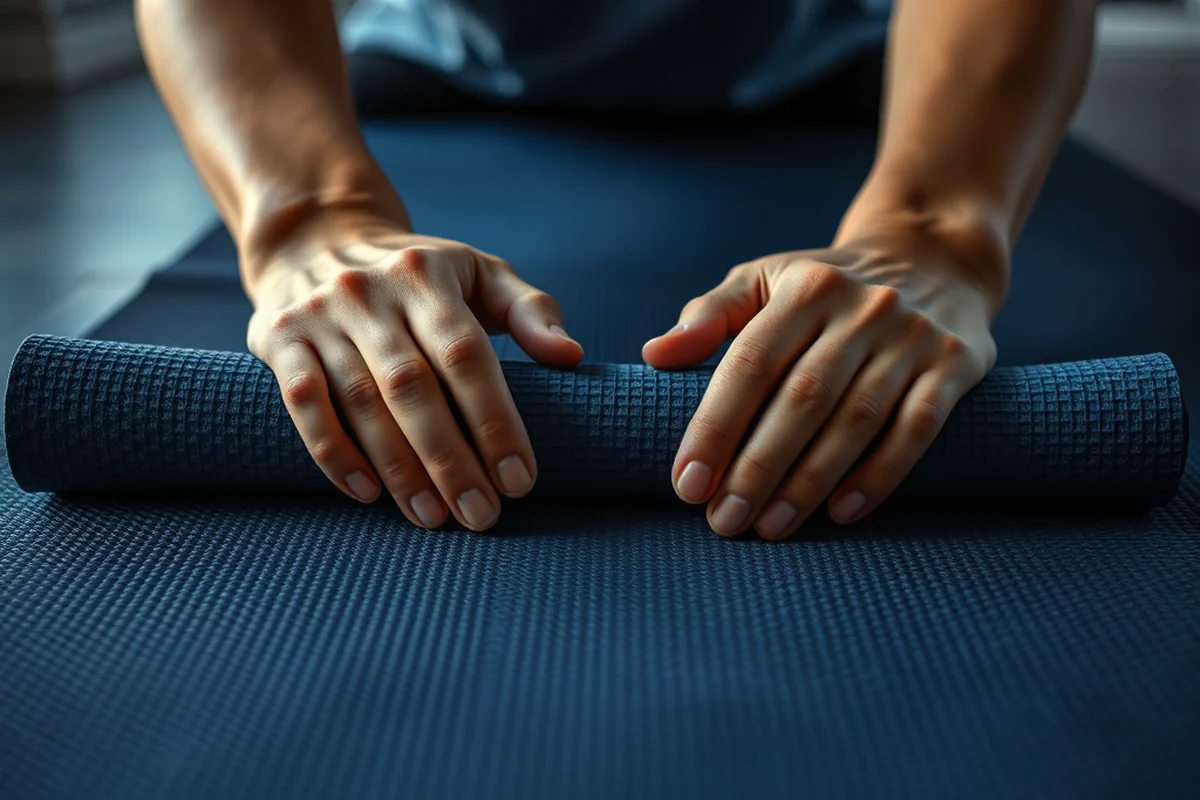
Capturing the flow of movement is one of the most challenging — and most rewarding — parts of this exercise. I remember the first time I tried to draw a boy climbing stairs, I struggled with making the motion feel natural. My lines were stiff, and the body looked frozen in place. It took a lot of practice to get the angles right and to give the drawing a sense of motion.
The secret to making the drawing feel 'alive' is to pay attention to the direction of the body. Think about how the arms swing, how the legs move in sequence, and how the torso shifts with every step. These small details can make a big difference in how the drawing is perceived.
One trick I learned is to imagine the boy as if he’s moving right in front of you. This helps me see the motion more clearly and translate it onto the paper. Once you start seeing the movement, it becomes much easier to draw it accurately.
Movement is more than just steps — it’s a series of shifts, bends, and flows that define the human body.
Related: Girl climbing stairs drawing easy
Breaking Down the Key Steps: A Simple, Repeatable Process
When I first started drawing a boy climbing stairs, I found the process overwhelming. There were too many details to focus on at once, and it was hard to know where to begin. That’s when I realized that breaking the drawing into smaller, manageable steps made all the difference. I started with an outline, then moved on to posture, motion, details, and finally a quick review.
This step-by-step approach not only made the process easier but also helped me focus on one aspect at a time. It was easier to see the overall shape of the body first, then get into the finer details of how it moved. This method is especially helpful for beginners who are just getting started with drawing.
I’ve found that following these five steps consistently helps me create more accurate and expressive drawings every time. It gives me a clear framework to work with and helps me avoid common mistakes like stiff lines or awkward angles.
Take a moment after each step to review your drawing and make adjustments. This helps you catch any mistakes early and keep the process flowing smoothly.
“I remember the first time my son, who was just six at the time, tried to draw a picture of himself climbing the stairs.”— Knee Friendly Stair Climbing editors
The Benefits of Observing and Replicating Human Motion in Art
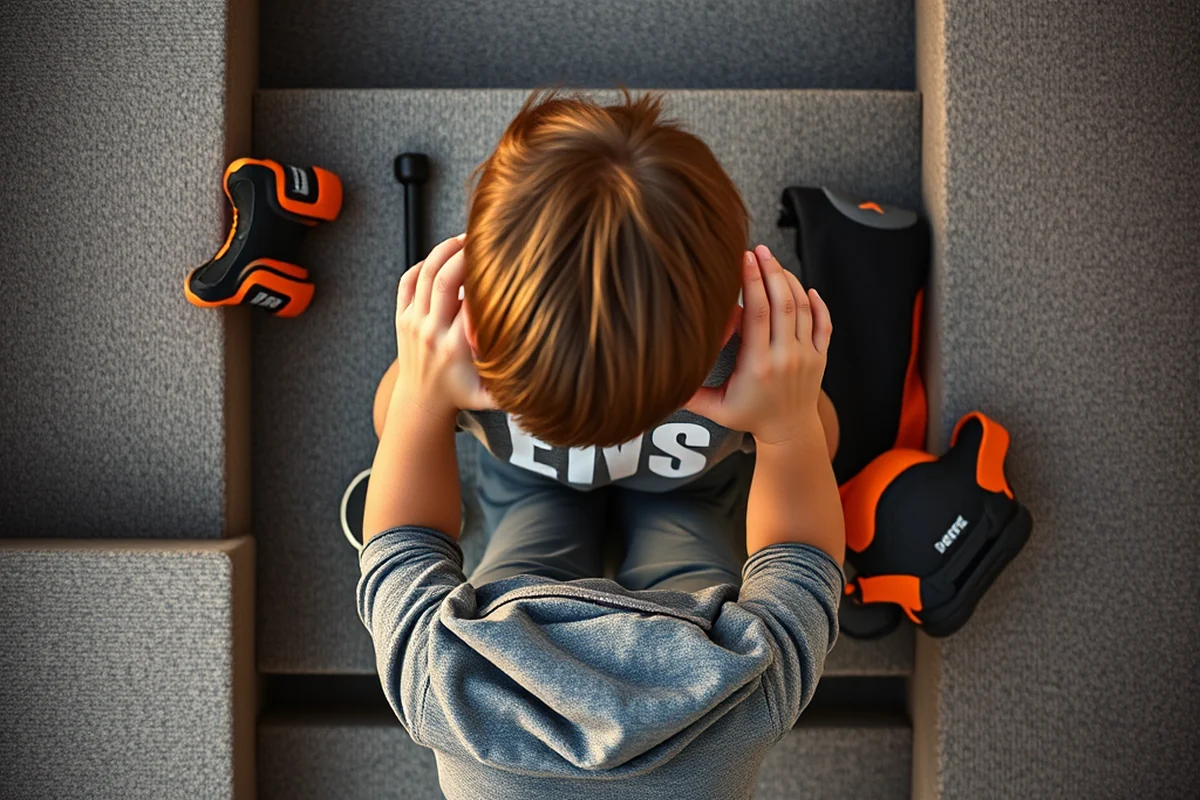
One of the most surprising benefits of drawing a boy climbing stairs is how much it can teach you about the human body. I had always thought of anatomy as something you studied in books, but when I started drawing motion, I saw it in a whole new way. Every line, every angle, and every shift in position told a story about how the body works.
This exercise helps you understand how muscles engage as we move, how joints shift, and how balance is maintained. It’s not just about drawing — it’s about learning to see the body in action. That kind of awareness is incredibly valuable, whether you're an artist or just someone interested in movement and health.
I’ve noticed that the more I practice this kind of drawing, the more I’m able to observe and replicate motion in my everyday life. It’s a skill that can translate into better posture, better movement, and even better performance in physical activities.
How to Make This Exercise More Accessible for Kids and Beginners
When I first tried this with my son, I realized that making the process accessible was key. He was fascinated by the idea of drawing a boy climbing stairs, but he quickly became overwhelmed by the details. That’s when I introduced some simple strategies — using large paper, simple tools like markers or pencils, and encouraging him to observe real-life examples first.
I found that working with large paper made it easier for him to see the whole picture at once, which helped him focus on the overall shape of the body. It also made the process feel less intimidating, as there was more room to make mistakes and correct them without worrying about being perfect.
Another tip I used was to encourage him to look at real-life examples — like watching someone climb stairs or looking at photos of people in motion. This helped him understand how the body moves in a more natural way, which made the drawing process more intuitive and enjoyable.
How to Improve Your Drawing Skills Through Repeated Practice
Like any skill, drawing a boy climbing stairs requires practice — and a lot of it. I started with a few simple sketches, then gradually worked my way up to more detailed drawings. It wasn’t always easy, but with each session, I noticed small improvements in my ability to capture motion and shape.
I’ve found that focusing on small, incremental improvements helps me see real progress. Instead of trying to get everything perfect at once, I’ve learned to make small adjustments — like improving the angle of the legs or refining the curve of the arms — and see how they contribute to the overall drawing.
This approach keeps the process manageable and motivating. It also helps me avoid burnout, which is a common issue for beginners who get discouraged by the initial difficulty. With consistent practice, I’ve seen my skills improve significantly over time.
Progress in art — like in movement — comes from small, consistent steps.
How to Create a Realistic Sense of Depth and Perspective in Your Drawing
One of the most challenging aspects of this exercise is creating a realistic sense of depth and perspective. I remember the first time I tried adding depth to my drawing, I struggled with making it look natural. The lines felt flat, and the figure didn’t seem to be in motion. It took some trial and error to get it right.
I found that using simple perspective techniques — like drawing the stairs with converging lines and placing the boy in a way that suggests motion — helped add a sense of realism. This approach made the drawing feel more dynamic and three-dimensional, even though the tools I used were basic.
Another tip I’ve learned is to pay attention to how the body changes as it moves. The closer the boy is to the viewer, the more detailed the drawing should be — and the further away he is, the more abstract the lines can become. This technique helps create a more natural sense of depth and movement.
🎨 Beginner's Approach
Start with basic shapes and focus on the overall movement of the body. No need for perfect lines or detailed shading at this stage.
💰 Budget-Friendly Setup
Use household items like paper, pencils, and markers to create your drawing. No need for expensive tools or materials.
⏱️ Fastest Method
Use quick sketches and simple lines to capture the basic shape and motion of the boy climbing stairs in under 10 minutes.
🖌️ Advanced Techniques
Refine your drawing with detailed shading, perspective, and anatomical accuracy to create a more realistic and expressive image.
🔄 Maintenance Practice
Use this exercise as a daily or weekly practice to improve your drawing skills and maintain your understanding of human motion and posture.
| The mistake | Why it happens | The fix |
|---|---|---|
| Drawing the body in a static position instead of showing motion. | This can make the drawing feel stiff and unnatural, as if the boy is frozen in place. | Use simple lines and curves to suggest movement and flow in the body as it ascends the stairs. |
| Focusing too much on the background instead of the subject. | This can make the drawing feel disconnected and the subject less defined. | Keep the focus on the boy and the stairs — use the background as a subtle element to support the main subject. |
| Using overly complex tools or techniques for a beginner. | This can make the process overwhelming and discourage beginners from continuing with the exercise. | Start with simple tools like pencils and paper, and focus on basic shapes and motion before adding more advanced details. |
| Neglecting to practice regularly. | Progress in drawing, like in any skill, comes from consistent practice. Without regular sessions, improvement may be slow or nonexistent. | Schedule regular practice sessions — even short ones — to see gradual improvement over time. |
Boy Climbing Stairs Drawing Easy
Common Questions
How long should I spend on each drawing session?
Can I do this exercise with just a pencil and paper?
What if I’m not confident in my drawing skills?
How can I improve my ability to capture motion in my drawing?
References
- ARIZONA STATE HEALTH ASSESSMENT (azdhs.gov)
- California Preschool Learning Foundations (Volume 2) (cde.ca.gov)
Cite this guide
Knee Friendly Stair Climbing (2026). Boy Climbing Stairs Drawing Easy. https://kneepace.com/boy-climbing-stairs-drawing-easy/
Feel free to cite or share this guide.
Knee-Friendly Stair Progression
A progressive weekly stair climbing plan.
Open it free →