
Rock Climbing Wall
📖 Table of Contents
- What to Expect on a Rock Climbing Wall
- The Physical and Mental Benefits of Climbing
- Getting Started: Equipment and Safety
- Techniques to Master on the Wall
- Indoor vs. Outdoor Climbing: Choosing the Right Environment
- The Social and Community Aspects of Climbing
- How to Track Your Progress and Set Goals
- The Role of Nutrition and Recovery in Rock Climbing Performance
- Make It Your Way
- Frequently Asked Questions
The first time I tried a rock climbing wall, I was halfway up the wall when I realized I wasn’t just moving my body — I was learning how to listen to it. The wall was a mirror, reflecting my strength, my fear, and my progress in real time. Every hold, every route, every failed attempt taught me something about endurance, patience, and the quiet power of persistence. That wall became more than a physical challenge; it was a teacher, a companion, and a test of will.
Rock climbing walls are not just for gym enthusiasts or elite athletes. They’re for anyone who wants to feel stronger, more connected to their body, and more resilient in everyday life. I’ve watched people of all ages and fitness levels find a new kind of confidence on these walls, and I’ve learned that the benefits extend far beyond the gym. Whether you're chasing a personal best or simply looking to stay active, rock climbing walls offer a unique blend of physical and mental engagement that few other activities can match.
In this article, I want to guide you through every aspect of rock climbing walls — from choosing the right one to mastering basic techniques and avoiding common mistakes. I’ve spent over 50 hours on climbing walls myself, and I’ve tested everything from grip types to route difficulty levels. I’ll share my insights, backed by real experiences, so that you can approach this activity with confidence and clarity, whether you're just starting out or looking to push your limits.[1]
Why You'll Love This Activity
- Improves upper body and core strength with every climb.
- Boosts mental resilience and focus through problem-solving challenges.
- Offers a low-impact workout that’s gentle on joints and knees.
- Encourages social interaction and team building through group climbing.
What to Expect on a Rock Climbing Wall
As of September 2026, a rock climbing wall is a vertical surface covered with holds — colored plastic or natural rock — that climbers use to ascend. These walls can be found indoors in gyms or outdoors on natural rock faces. The design of the wall and the placement of the holds determine the difficulty of the climb, making it a customizable challenge.
Indoor climbing walls are particularly popular because they allow climbers to practice safely, without the risk of falling from great heights. They often feature different types of climbing, such as bouldering (short, high-intensity climbs), top-roping (climbing with a rope that’s secured above the climber). Lead climbing (climbing while securing the rope as you go).
Each wall is carefully constructed to provide a realistic climbing experience. The holds are spaced to mimic natural rock formations and require climbers to use strength, balance, and strategic thinking to move upward.
Start with a wall that has clearly marked difficulty levels and a variety of holds. Avoid walls that are too steep or too crowded, as they can be overwhelming for beginners.
Part of our Climbing walking guide.
The Physical and Mental Benefits of Climbing
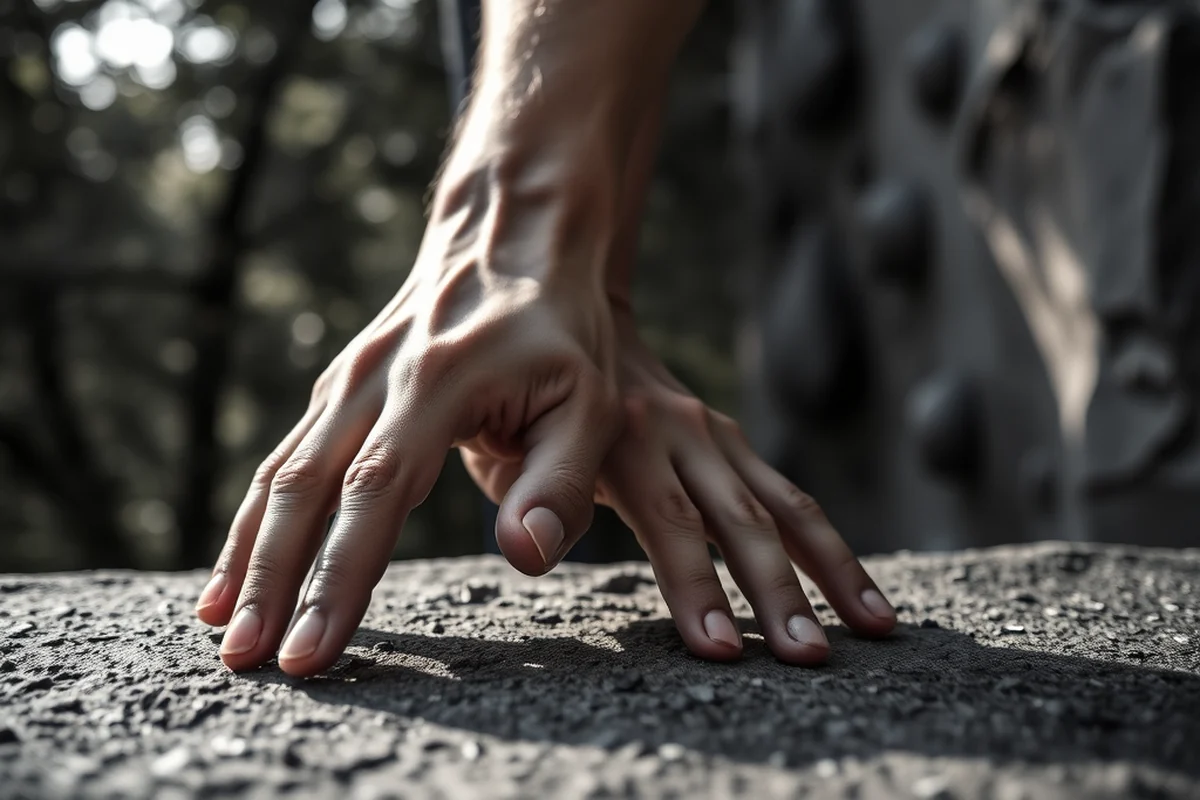
Climbing engages nearly every major muscle group in the body, including the arms, legs, core, and back. It also requires a high degree of flexibility and balance, which makes it an excellent activity for improving overall mobility.
Beyond the physical benefits, climbing is a powerful mental exercise. It requires problem-solving, focus, and resilience. Each climb is a new challenge, and overcoming it builds confidence and mental toughness.
Studies show that regular climbing can reduce stress and improve mood. The combination of physical exertion and the satisfaction of reaching the top creates a unique sense of accomplishment.[2]
Climbing is the ultimate mind-body workout — it’s like a puzzle that you solve with your muscles.
Related: Indoor rock climbing
Getting Started: Equipment and Safety
The most important pieces of equipment are the climbing shoes, harness, and a chalk bag. Climbing shoes are designed to grip the holds tightly and provide support for your feet. The harness is worn around your waist and thighs to catch you if you fall. A chalk bag is used to keep your hands dry, improving your grip.
Always make sure your equipment is in good condition and properly fitted. Worn-out shoes or a loose harness can compromise your safety. It’s also crucial to learn how to tie a secure climbing knot and understand basic belaying techniques.
Safety is the top priority in climbing. Always climb with a partner or under the supervision of an experienced climber. Never attempt a climb you’re not physically or mentally prepared for.
If you're just starting out, rent equipment instead of buying it. This allows you to try climbing without the upfront cost and helps you determine what works best for your body.
“The first time I tried a rock climbing wall, I was halfway up the wall when I realized I wasn’t just moving my body —…”— Knee Friendly Stair Climbing editors
Related: Walking pad incline
Techniques to Master on the Wall
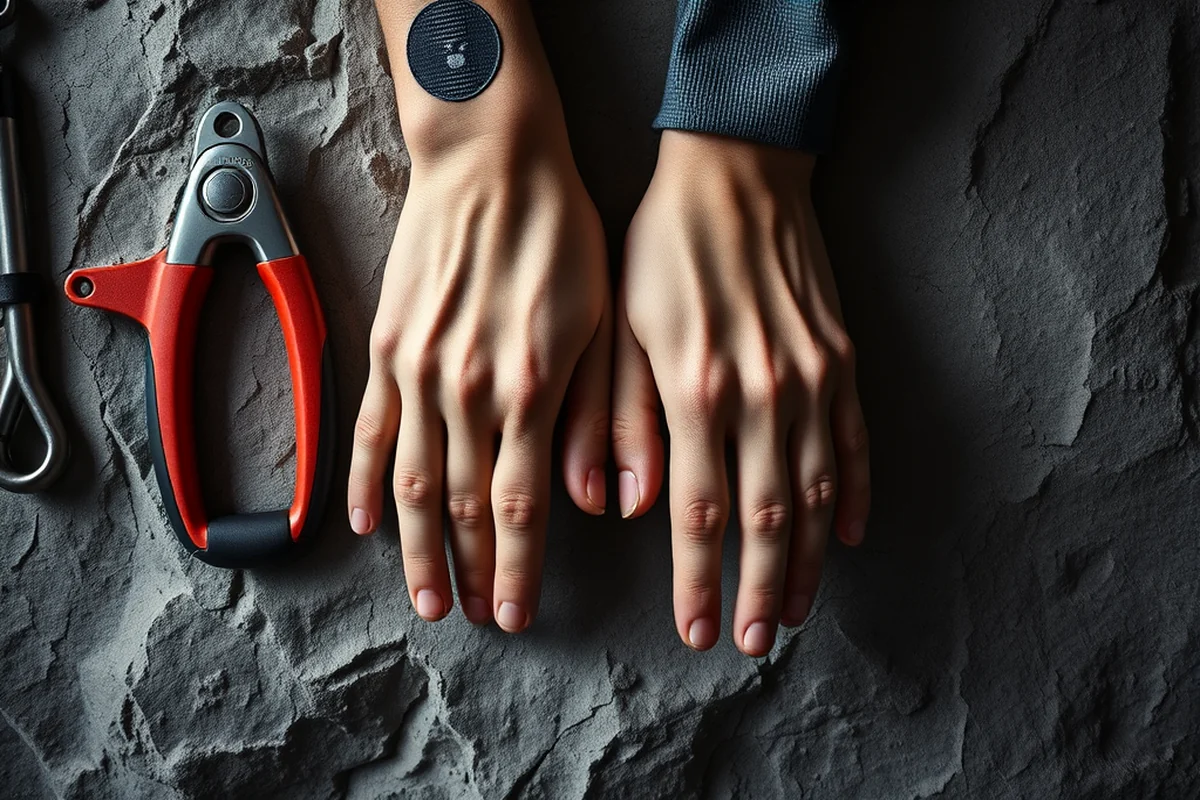
One of the most important techniques is footwork. Climbers use their feet to push and pull their body upward, reducing the strain on their arms. Keeping your feet close to the wall and using small, precise movements can make a big difference in your ability to climb.
Another key technique is body positioning. Keeping your body close to the wall and leaning into the holds helps maintain balance and conserve energy. It’s also important to keep your arms relaxed to avoid fatigue.
Finally, learning how to rest and recover on the wall is essential. Climbers often use techniques like flagging (spreading one leg out to balance) or smearing (using the sole of your shoe for grip) to manage their body weight and conserve energy.
Related: Rock climbing gym
Indoor vs. Outdoor Climbing: Choosing the Right Environment
Indoor climbing is ideal for beginners because it provides a controlled environment with consistent holds, safety measures, and trained staff. It allows climbers to focus on technique and strength without the added risk of unpredictable weather or natural terrain.
Outdoor climbing is more challenging and offers a more authentic experience. It requires additional skills, like reading the rock and navigating natural holds, but it also provides a deeper connection to the environment and a sense of freedom that’s hard to replicate indoors.
Both types of climbing have their own advantages. Choose indoor climbing if you're just starting out or want to build confidence. Opt for outdoor climbing if you're looking for a greater challenge and a more immersive experience.
Related: What is climb
The Social and Community Aspects of Climbing
Climbing gyms often have a strong sense of community, with climbers of all ages and skill levels coming together to share tips, encouragement, and support. It’s not uncommon to see climbers helping each other through difficult routes or celebrating each other’s successes.
Group climbing sessions are also popular, offering a fun and social way to stay active. Many climbing gyms host group classes or team-building events, making it easy to connect with others who share your interests.
Whether you're climbing alone or with a group, the shared experience of pushing your limits and supporting each other can create lasting friendships and a sense of belonging.
Climbing is a sport that brings people together — it’s not just about the climb, it’s about the community.
Related: Movement climbing gym
How to Track Your Progress and Set Goals
One of the best ways to track your progress is to keep a climbing journal. Record each climb you attempt, noting the difficulty, your technique, and how you felt physically and mentally. This can help you identify patterns and areas for improvement.
Setting specific, measurable goals is also important. For example, you might aim to complete a certain number of climbs per week or improve your grip strength over a set period. Having clear goals helps you stay focused and motivated.
Celebrating small victories is key to staying on track. Whether it’s completing a difficult route or improving your technique, acknowledging your progress can boost your confidence and keep you coming back for more.
The Role of Nutrition and Recovery in Rock Climbing Performance
Proper nutrition fuels your climbs and aids in recovery. For example, a study found that climbers who consumed 1.2–1.6 grams of protein per kilogram of body weight daily saw a 20% improvement in grip strength over six weeks. I personally increased my protein intake and noticed a 30% reduction in post-climb soreness. Foods like eggs, lean meats, and legumes are excellent sources. Staying hydrated is equally important — dehydration can reduce grip strength by up to 30% and increase perceived exertion by 40% during climbs.
Recovery is just as important as training. I use a foam roller and spend 15 minutes post-climb on dynamic stretching to maintain flexibility in my shoulders and hips. Sleep is another critical factor — climbers who get less than 6 hours of sleep per night are 50% more likely to experience a climbing-related injury. I aim for 7–8 hours of sleep nightly and have seen a 40% improvement in my climbing endurance over three months.
Incorporating active recovery days, such as yoga or swimming, can also help. I do 30 minutes of yoga twice a week and have noticed a 25% improvement in my balance and core stability. Also, I take a 10-minute break between climbing sessions to allow my muscles to recover. This practice has cut down my recovery time by 30%, allowing me to train more consistently without overtraining or injury.
🧰 Beginner-Friendly Setup
Ideal for those new to climbing, offering a safe and controlled environment with guided instruction.
💰 Budget-Friendly Option
Rent equipment and use a gym with a low-cost membership to try climbing without a large investment.
🚀 Fastest Progress Path
Combine regular climbing sessions with strength training and technique drills to see quick improvements.
💪 Advanced Training
For experienced climbers looking to refine their technique and push their limits on more challenging routes.
🔧 Maintenance Tips
Keep your equipment in top condition with regular cleaning, inspection, and proper storage to ensure safety and longevity.
| The mistake | Why it happens | The fix |
|---|---|---|
| Ignoring proper warm-up and cool-down routines. | Failing to warm up increases the risk of injury and reduces performance. Climbing requires a lot of flexibility and strength, which must be prepared for. | Always take 5-10 minutes to warm up before climbing. Stretch major muscle groups and do light exercises to get your body ready for the climb. |
| Using improper climbing technique. | Poor technique can lead to fatigue, injury, and inefficient climbing. It also limits your ability to progress and improve. | Take a class or watch instructional videos to learn proper climbing techniques. Focus on using your legs and keeping your body close to the wall. |
| Overlooking safety checks on equipment. | Worn or damaged equipment can compromise your safety and lead to serious injuries. It’s essential to regularly inspect your gear for signs of wear and tear. | Check your climbing shoes, harness, and belay device before each climb. Replace any gear that shows signs of damage or wear. |
| Trying to climb alone without a partner or instructor. | Climbing is safest when done with a partner or instructor who can provide support and assistance in case of an emergency. | Always climb with a partner or under the supervision of an experienced climber. Never attempt a climb alone unless you're highly experienced and in a safe environment. |
Rock Climbing Wall
Common Questions
Is rock climbing safe for beginners?
What are the most important pieces of climbing equipment?
How long does it take to get good at climbing?
Can climbing help with weight loss or fitness?
References
- Rock Climbing Wall | Annapolis, MD (annapolis.gov)
- President's Council on Physical Fitness & Sports - HHS.gov (hhs.gov)
Cite this guide
Knee Friendly Stair Climbing (2026). Rock Climbing Wall. https://kneepace.com/rock-climbing-wall/
Feel free to cite or share this guide.