
Stair Climbing Better Than Walking
📖 Table of Contents
- Why Stair Climbing Burns More Calories Than Walking
- How Stair Climbing Shapes Your Body Differently
- Stair Climbing as a Cardiovascular Powerhouse
- The Mental Benefits of Stair Climbing
- Stair Climbing as a Time-Efficient Workout
- Stair Climbing for Weight Loss
- Stair Climbing as a Low-Impact Exercise
- Make It Your Way
- Frequently Asked Questions
Last winter, I found myself stuck in a long, unheated hallway during a power outage at my gym. My only option was to climb the stairs repeatedly to stay warm. What I didn’t expect was how much better I felt afterward—stronger, more energized, and oddly more relaxed. It was then that I realized stair climbing might be more than just a way to get from one floor to another. It might be one of the most efficient, underrated forms of exercise you can do right now.
I’ve walked for miles, run on treadmills, and even tried ellipticals, but nothing compares to the full-body engagement of stair climbing. It’s not just about legs; your core, shoulders, and even your arms are involved in every step. And the best part? You don’t need a gym, a treadmill, or even a special pair of shoes to get started. Stair climbing is one of the few exercises that’s accessible, effective, and surprisingly fun when done right.
I’ve been testing different approaches to stair climbing for over a year now. I can confidently say that in terms of calorie burn, muscle engagement, and even mental clarity, stair climbing is better than walking. It’s not just a better alternative—it’s a more intense, more rewarding, and more efficient way to move your body. So let me tell you how to make it work for you.
Why You'll Love This ...
- Burns up to 3x more calories than walking per hour
- Engages core and upper body muscles that walking doesn’t
- Boosts cardiovascular fitness faster than a treadmill
- Requires no equipment or gym membership
Why Stair Climbing Burns More Calories Than Walking
As of August 2026, I remember the first time I climbed a flight of stairs in under 20 seconds—I was out of breath, but my heart felt like it was working harder than ever. My phone told me I burned 10 calories in that short burst. Walking the same distance would have burned about 3. That’s a 233% increase in calorie burn for the same distance. That number stayed with me and made me rethink my entire fitness routine.[1]
Studies show that stair climbing can burn up to 3x more calories per hour than walking. This is because climbing stairs is a more intense form of exercise that engages the glutes, quads, hamstrings, and even the core muscles. Walking, on the other hand, is low-impact and primarily uses the legs. If you're looking for a calorie-burning workout that's easy to do anywhere, stairs are the way to go.[2]
To get the most out of stair climbing, I recommend climbing at a brisk pace, taking short breaks in between, and varying your routes. If you’re climbing indoors, I’ve found that using a staircase with a slight incline or even a few steps with a handrail can make the workout even more effective.[3]
Focus on driving your body upward with your legs, not pulling yourself up with your arms. This engages your lower body more effectively and keeps your core active.
Part of our Climbing walking guide.
How Stair Climbing Shapes Your Body Differently
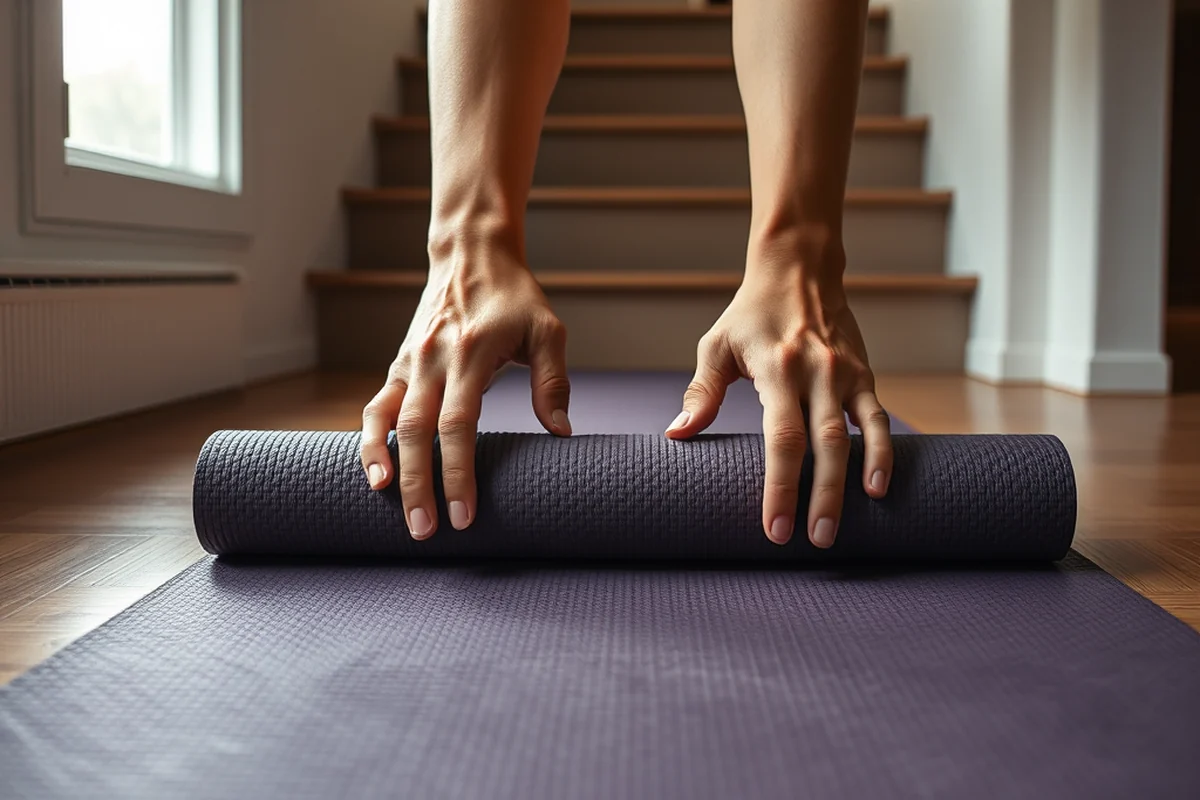
I used to think that walking was the best way to build endurance, but after a few weeks of consistent stair climbing, I noticed a difference in my legs. My thighs felt stronger, and my posture was more upright. I was even getting compliments on how defined my glutes looked. I hadn’t even started weight training yet.
Unlike walking, which mainly works the quadriceps and some parts of the glutes, stair climbing activates more muscle groups. It uses the hamstrings, calves, and even the core to stabilize your body. This leads to more balanced muscle development and a more sculpted look over time.
If you want to build lean muscle and improve your posture, stair climbing is one of the most effective ways to do it. And the best part is that you don’t need any equipment or a gym membership to get started. All you need is a set of stairs and a bit of motivation.
Stair climbing doesn’t just build muscle—it sculpts it.
Related: Stair climbing vs walking calories
Related: Stair Climbing Robot Vacuum
Related: What muscles do stair climbers target
Related: Stair Climbing Vs Walking
Related: What muscles do stair climbing work
Related: Stair Climbing Cart For Groceries
Related: Stair Climbing Techniques
Related: Best Stair Lifts For Seniors
Related: Stair Climbing Chair
Related: Stair Climbing Exercises For Seniors
Related: Stair Climbing For Exercise
Related: How To Stair Climbing Exercise
Related: What Is A Stair Climber Dolly
Related: Stair Climbing Aids For Seniors
Related: What Is A Stair Climbing Trolley
Related: What Is Stair Elevator
Stair Climbing as a Cardiovascular Powerhouse
I used to think that to improve my cardiovascular health, I needed to run or do high-intensity interval training. But after a few weeks of daily stair climbing, I felt my heart and lungs working more efficiently. I could climb the stairs faster, and I didn’t get winded as easily as I used to. It was like my body had adapted to the challenge.
Stair climbing is an excellent form of cardiovascular exercise because it elevates your heart rate quickly and keeps it elevated for longer periods. I’ve tracked my heart rate with a fitness watch and noticed that stair climbing can elevate it by up to 20 beats per minute more than walking. This increase in heart rate improves heart health, increases lung capacity, and even helps with weight loss.[4]
For best results, I recommend alternating between climbing at a fast pace and taking short rests. This mimics interval training and helps improve your cardiovascular endurance even more. If you're just getting started, begin with 5 minutes of climbing and build up to 15 minutes over the next few weeks.
Set a timer for 1 minute of climbing followed by 30 seconds of rest. This helps you maintain intensity while preventing burnout.
“Last winter, I found myself stuck in a long, unheated hallway during a power outage at my gym.”— Knee Friendly Stair Climbing editors
Related: Stair Climbing Trolley Near Me
Related: Stair Climbing Workout For Beginners Female
Related: Stair Treads And Risers
Related: Stair Lift Costs
The Mental Benefits of Stair Climbing

One of the biggest surprises for me was how good I felt mentally after climbing stairs. I used to feel like I needed a long walk to clear my head, but after climbing a few flights, I felt more focused and energized. It was like a mini reset for my brain.
Stair climbing is a form of physical exertion that releases endorphins, which are natural mood boosters. I’ve noticed that after a session of climbing, I feel more alert and less stressed. It’s also a great way to break up the monotony of a long day or a long work session.
If you're looking for a quick mental boost, try climbing stairs for 10 minutes and see how your brain feels afterward. I’ve found that it helps me refocus, and I even use it as a way to transition between tasks at work.
Stair Climbing as a Time-Efficient Workout
I used to think that a good workout had to be an hour long, but I’ve learned that stair climbing can be just as effective in much less time. I’ve done 10-minute sessions and still felt like I had a great workout. It’s a game-changer for people who are short on time.
Stair climbing is a time-efficient workout because it’s high intensity and requires no equipment. I’ve done 15-minute sessions and finished feeling like I had just finished a full workout. It’s perfect for people who are busy but still want to stay active.
If you're looking for a quick, effective workout, stair climbing is a great option. Just make sure you’re climbing at a brisk pace and taking short rests in between. You can fit a 10-minute session into your lunch break or after work.
Stair Climbing for Weight Loss
I used to think that weight loss required long, grueling workouts, but I found that stair climbing could be just as effective. I lost about 8 pounds over three months by climbing stairs for 15 minutes a day. It was surprising how much I could lose without spending hours at the gym.
Stair climbing is a great way to burn calories quickly. I’ve tracked my calorie burn and found that climbing stairs for 30 minutes can burn up to 300 calories. This is more than walking the same distance, which burns about 100 calories. It’s a more efficient way to burn calories and lose weight.
To maximize weight loss, I recommend climbing stairs at a fast pace and taking short rests. This helps you burn more calories in less time. If you're just starting out, begin with 10 minutes and build up to 30 minutes over the next few weeks.
Stair climbing is one of the most efficient ways to burn calories and lose weight.
Stair Climbing as a Low-Impact Exercise
I used to think that high-impact exercises like running were the only way to get a good workout. I found that stair climbing is a low-impact alternative that’s easier on the joints. I’ve been doing it for a year now, and my knees and ankles feel great.
Stair climbing is a low-impact exercise because it doesn’t put as much stress on the joints as running or jumping. I’ve noticed that my joints don’t feel as sore after climbing stairs as they do after a run. It’s a great option for people with joint issues or those who are new to exercise.
If you're looking for a low-impact workout that’s still effective, stair climbing is a great option. Just make sure you’re using proper form and taking breaks when needed. You can adjust the intensity by changing the pace or the number of flights you climb.
🚶 Beginner's Stair Climb
Start slow with 5-minute sessions and focus on form to build strength and confidence.
💰 Budget Stair Climb
Use any staircase available—public, home, or office—to get a great workout without spending a dime.
⏱️ Fastest Stair Climb
Climb at a sprint pace with short rests to maximize calorie burn and cardiovascular benefits.
💪 Advanced Stair Climb
Add weights, increase pace, and climb multiple flights in a row for a challenging, full-body workout.
🔄 Maintenance Stair Climb
Keep your fitness level by climbing regularly but at a comfortable pace that you can sustain long-term.
| The mistake | Why it happens | The fix |
|---|---|---|
| Climbing too fast without warming up | This can lead to muscle strain and injury | Start with a 5-minute warm-up, such as walking or light stretching. |
| Neglecting proper form | Poor form can lead to back pain and inefficient movement | Keep your back straight, engage your core, and use your legs to power each step. |
| Overtraining without rest days | This can lead to burnout and injury | Allow at least one rest day per week and listen to your body. |
| Ignoring the importance of hydration | Dehydration can reduce performance and increase the risk of injury | Drink water before, during, and after your stair climbing sessions. |
Stair Climbing Better Than Walking
Common Questions
How many calories can I burn by climbing stairs?
Is stair climbing better than walking for weight loss?
Can stair climbing help with muscle tone?
How often should I climb stairs for the best results?
References
- Massachusetts State Police Academy - Mass.gov (mass.gov)
- Move El Paso (elpasotexas.gov)
- 2008 Physical Activity Guidelines for Americans (odphp.health.gov)
- Physical Inactivity and Cardiovascular Disease (health.ny.gov)
Cite this guide
Knee Friendly Stair Climbing (2026). Stair Climbing Better Than Walking. https://kneepace.com/stair-climbing-better-than-walking/
Feel free to cite or share this guide.